The evolution of gaming halls Tracing the rich history of casinos
Origins of Gambling and Early Casinos
The history of gambling dates back thousands of years, with evidence suggesting that ancient civilizations engaged in various forms of wagering. The earliest known gambling artifacts, such as dice from Mesopotamia, date back to around 3000 BC. These primitive forms of gaming laid the groundwork for what would evolve into organized gambling establishments. As societies grew more structured, the demand for formal venues dedicated to gambling became apparent, leading to the establishment of early casinos. Many people today continue to explore online options like https://vavadabd.com/, which showcase modern adaptations of these historical concepts.
In the 17th century, the first official casino, the Ridotto, was established in Venice, Italy. This venue marked a significant transition from informal gambling in taverns to a more organized and regulated environment. The Ridotto offered various games, providing a social space for the elite to enjoy gaming entertainment. This establishment also introduced rules and regulations, serving as a prototype for future casinos worldwide, illustrating the evolution from casual play to structured gameplay.
Throughout the 18th and 19th centuries, casinos began to proliferate across Europe and eventually reached the shores of America. The iconic Monte Carlo Casino opened in 1863, setting a high standard for luxury and sophistication in gaming halls. With lavish architecture and high-stakes games, these early casinos captured the imaginations of gamblers and established a culture of opulence and entertainment, laying the groundwork for modern casinos around the globe.
The Rise of Casino Culture in the 20th Century
The 20th century witnessed a dramatic transformation in casino culture, particularly in the United States. The establishment of Las Vegas as a gambling mecca in the 1940s revolutionized the industry. The city’s casinos, adorned with neon lights and extravagant themes, became symbols of entertainment and excess. Iconic establishments like the Flamingo and The Sands introduced lavish performances and luxurious amenities, attracting visitors from all walks of life.
Additionally, the legalization of gambling in various states led to the emergence of new casino hubs across the country. Atlantic City, New Jersey, gained prominence in the 1970s as a rival to Las Vegas, offering a blend of gaming, beachside attractions, and nightlife. This diversification of casino locations marked a shift in gambling culture, making it accessible to a broader audience and transforming it into a mainstream form of entertainment.
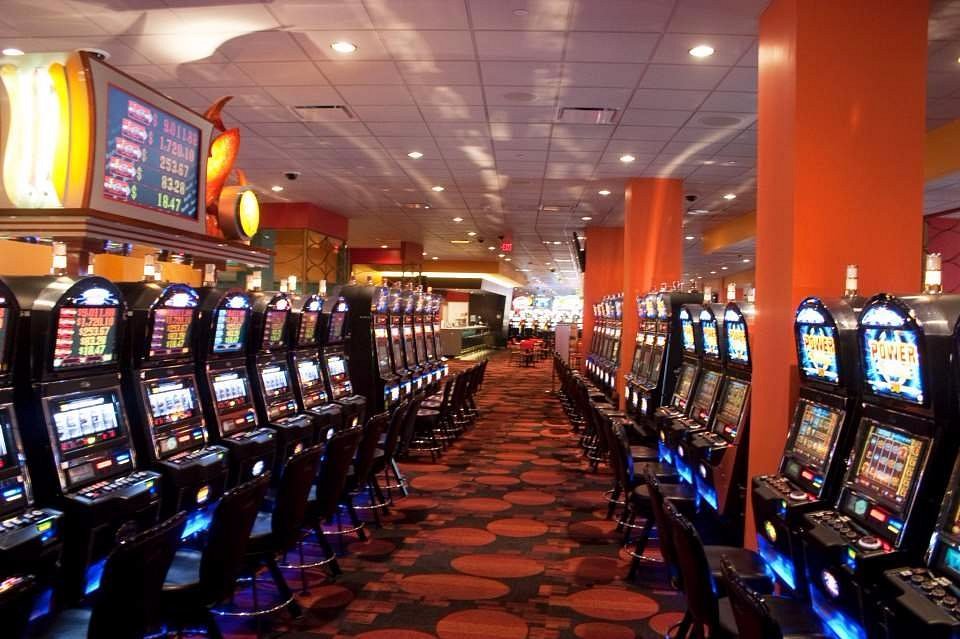
As the century progressed, technological advancements further revolutionized casino gaming. The introduction of slot machines and electronic gaming devices shifted the landscape, appealing to younger generations and casual gamers. This evolution prompted casinos to adapt their offerings, integrating a range of games to cater to changing preferences, ensuring a continuous influx of new players eager to experience the excitement of gaming halls.
The Impact of Technology on Modern Casinos
With the dawn of the digital age, casinos underwent another significant transformation. The introduction of online casinos in the late 1990s provided an unprecedented level of accessibility for players worldwide. Virtual gaming platforms offered the convenience of playing from the comfort of home, appealing to a demographic that may have been reluctant to visit physical casinos. This shift not only expanded the gambling audience but also challenged traditional casinos to innovate their experiences.
Moreover, mobile gaming has emerged as a dominant force in the gambling industry. With the proliferation of smartphones, players can now access their favorite games anytime, anywhere. Many casinos have developed mobile-friendly platforms, allowing users to enjoy a diverse range of games on the go. This technological evolution has redefined how players engage with casinos, introducing features such as live dealer games that mimic the thrill of in-person gaming.
The integration of advanced technologies, including artificial intelligence and virtual reality, is also reshaping the casino landscape. These innovations enhance player experiences by offering personalized gaming options and immersive environments. As casinos strive to attract a tech-savvy audience, the future promises even more exciting developments, ensuring that the evolution of gaming halls continues in dynamic and engaging ways.
Global Gambling Trends and Cultural Influences
As casinos evolve, they also reflect the diverse cultural landscapes of the countries in which they operate. For instance, in Asia, the rise of integrated resorts has changed the gambling scene, offering a blend of luxury accommodations, entertainment, and high-stakes gaming. Cities like Macau have become global gambling destinations, showcasing elaborate casinos that attract millions of visitors each year, emphasizing the fusion of culture and casino experiences.
In Europe, traditional casino culture persists, with establishments like Casino de Monte-Carlo still epitomizing elegance and historical significance. However, many European countries have also embraced online gaming, leading to a hybrid model where both physical and digital casinos coexist. This blend respects tradition while catering to modern preferences, showcasing how casino culture adapts to changing societal norms.
Furthermore, the increasing acceptance of gambling in various regions has contributed to the globalization of casino culture. Events such as poker tournaments attract international audiences, creating a shared gambling culture that transcends borders. As new markets emerge, casinos will continue to evolve, influenced by local traditions and global trends, ensuring that the casino experience remains dynamic and relevant to players everywhere.

The Future of Gaming Halls
The future of gaming halls is promising, driven by innovation and changing consumer preferences. As traditional casinos adapt to the challenges posed by online gaming, they are increasingly focusing on enhancing the customer experience. This includes offering unique entertainment options, luxury amenities, and personalized services that elevate the overall gaming atmosphere.
Moreover, the rise of esports and skill-based gaming is influencing how casinos design their offerings. Many establishments are beginning to incorporate esports tournaments and interactive gaming experiences, appealing to younger players who seek a combination of skill and chance. This shift not only diversifies the gaming options available but also ensures that casinos remain relevant in an ever-evolving entertainment landscape.
Additionally, a growing emphasis on responsible gambling will shape the future of casinos. As awareness of gambling addiction increases, many establishments are implementing measures to promote safe gaming practices. This includes providing resources for players, adopting technology to monitor gambling behaviors, and creating a supportive environment that prioritizes player welfare. In this way, the evolution of gaming halls will not only focus on entertainment but also on fostering a responsible gaming culture.