Exploring cultural perceptions of gambling across different societies
The Historical Context of Gambling
The history of gambling is as varied as the cultures that engage in it. In ancient civilizations, such as those in China and Rome, gambling was not only a form of entertainment but also an important social activity that influenced decision-making and community bonding. Games involving dice, cards, and betting were often tied to religious practices, reflecting the belief that chance and fate were intertwined in human affairs. Today, players seeking engaging experiences might explore casino-betpro-pk.com for their gaming needs.
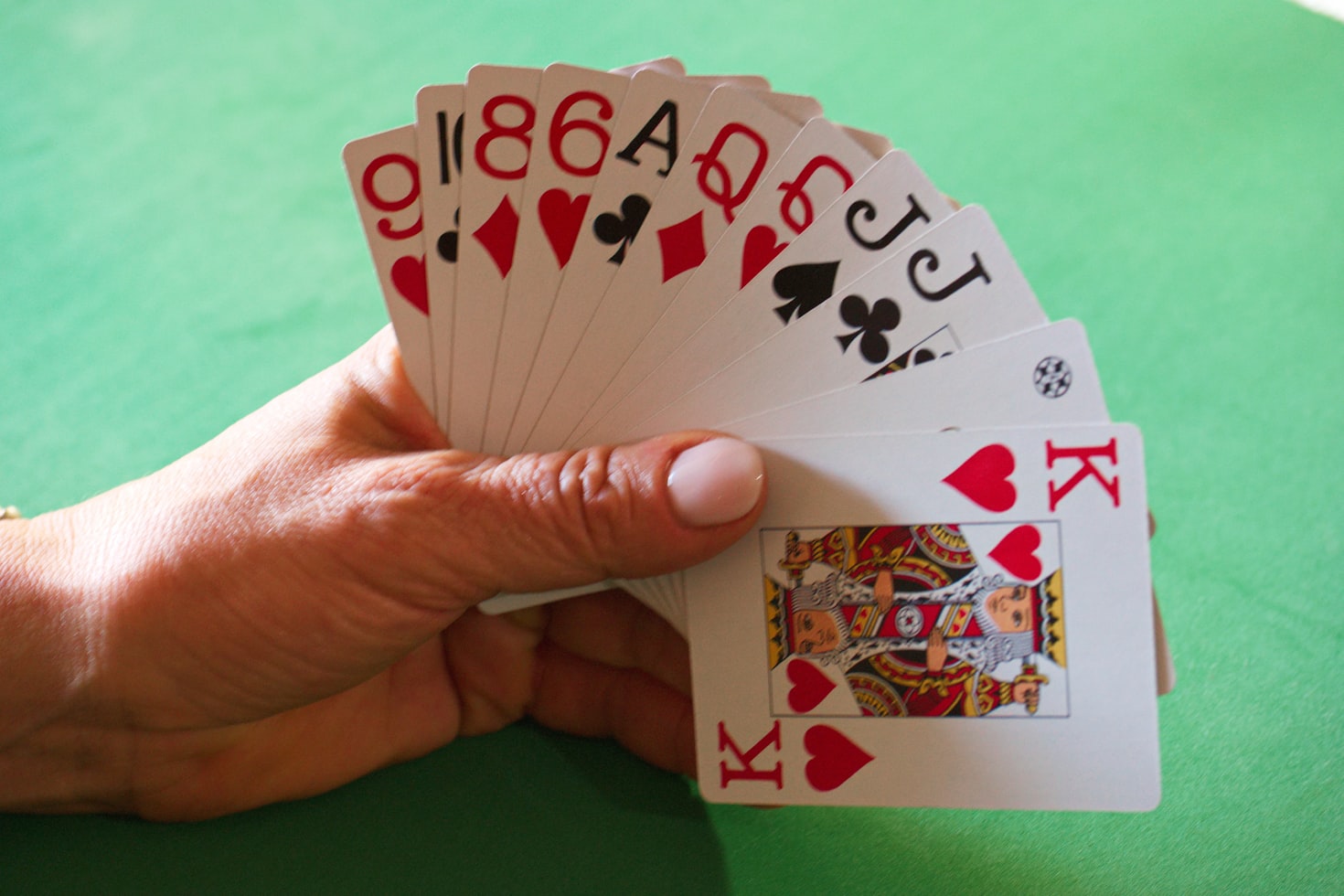
Throughout history, the perception of gambling has evolved. In many cultures, it was viewed as a vice, leading to social stigmas. However, in others, it was embraced as a legitimate form of recreation, showing a clear divide in how societies approach games of chance. Today, these historical perspectives continue to shape modern attitudes towards gambling.
Cultural Differences in Gambling Practices
Gambling practices vary significantly across different societies, influenced by local customs, laws, and religious beliefs. In Western cultures, for instance, casinos are commonly seen as places of entertainment and socializing. People often visit these venues not just to gamble but to enjoy fine dining, live shows, and other amenities. This multifaceted approach to gambling reflects a cultural acceptance of gaming as part of leisure activities.
Conversely, in certain Asian cultures, gambling can be viewed with a more critical lens, often associated with moral dilemmas and potential societal harm. Countries like Japan and Singapore have strict regulations on gambling, emphasizing the need for responsible gaming. These cultural nuances highlight how local attitudes can either promote or hinder gambling practices.
The Role of Technology in Gambling Perception
The rise of online gambling has transformed the landscape of gaming, influencing how it is perceived across different cultures. Platforms that offer a diverse range of betting options, including sports, poker, and live dealer experiences, have made gambling more accessible than ever. This has led to a broader acceptance in societies that previously viewed gambling with skepticism.
However, the digital realm also presents challenges, such as increased risks of addiction and the blurring of boundaries between gaming and gambling. As technology continues to advance, cultural perceptions will likely adapt, balancing the benefits of convenience with the need for responsible gaming practices.
High Roller Experiences and Cultural Significance
In many cultures, high rollers—those who bet large sums—are often viewed with a mix of admiration and caution. These individuals can influence the gambling environment significantly, sometimes shaping the perceptions of other players. In places like Las Vegas, high rollers are celebrated, receiving luxury treatment and perks, thus reinforcing the idea that gambling can lead to both wealth and prestige.
However, in cultures where gambling is associated with negative consequences, high rollers may be seen as reckless or irresponsible. This dichotomy illustrates how cultural values can shape the narrative around gambling, influencing not just the individuals involved but also broader societal attitudes.

BetPro Pakistan and Cultural Engagement
BetPro Pakistan represents a modern approach to gambling, catering specifically to local players with a tailored experience. The platform emphasizes a safe and engaging environment for users, offering a variety of sports betting options and casino games. By understanding the cultural context of gambling in Pakistan, BetPro aims to create an inclusive online community that respects local customs while providing entertainment.
With a user-friendly interface and robust customer support, BetPro enhances the gambling experience for both novices and seasoned bettors. This approach not only promotes responsible gaming but also fosters a positive cultural engagement with gambling, reflecting the evolving landscape of this age-old practice.